The Complete Buyer's Guide For Park Homes
This guide explains the basics of buying a park home, what to look out for, and how the process works.
Why Choose A Park Home?
Park homes are becoming increasingly popular for buyers looking for:
- Lower maintenance living
- Reduced household costs
- Peaceful residential communities
- Single-level living
- Retirement or semi-retirement living
- A simpler lifestyle
Many residential parks are located close to local shops, transport links, healthcare services, and countryside surroundings.
What Is A Residential Park Home?
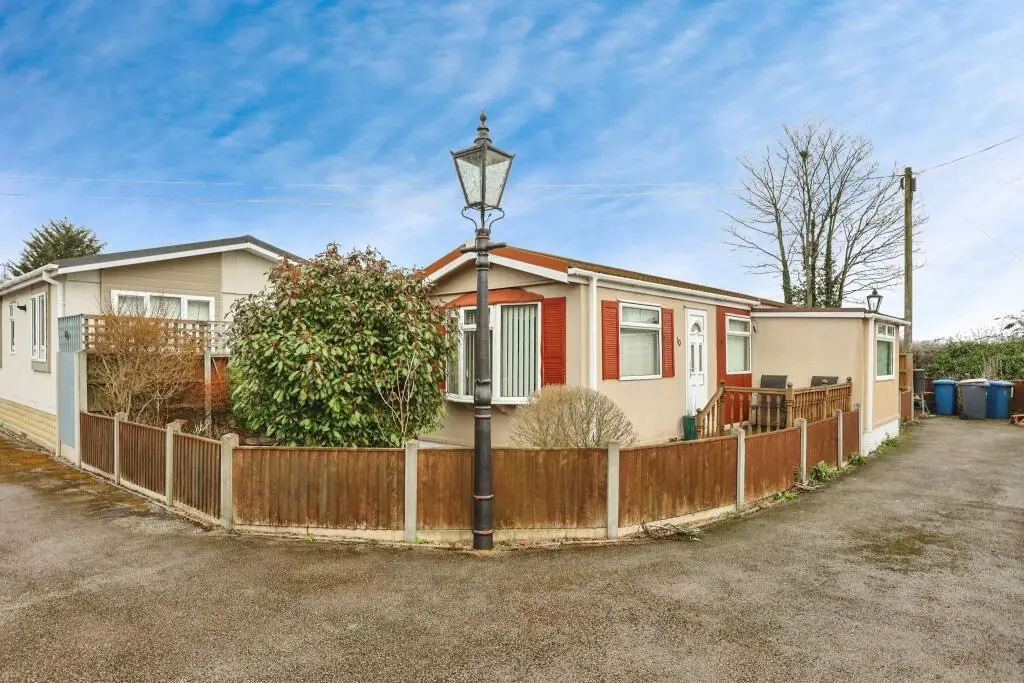
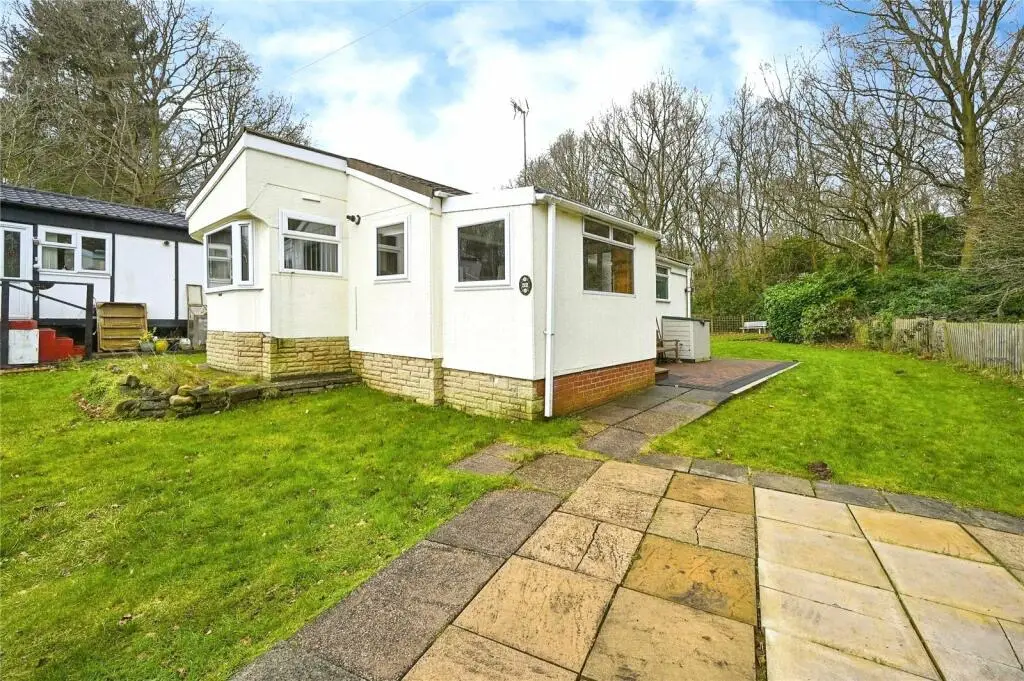
A residential park home is a detached, single-storey property built for full-time living on a licensed residential park.
Most residential parks are owner-occupied communities and often have age restrictions such as 45+ or 55+ living.
Things to check before buying
Before purchasing a park home, always check:
- The condition of the home
- Heating and utility connections
- Pitch fees and running costs
- Park rules and age restrictions
- Nearby amenities and transport links
- Whether the home is residential use
Costs To Consider
When buying a park home, costs may include:
- Purchase price
- Pitch fee / ground rent
- Utilities and council tax
- Insurance
- General maintenance
Buying Through 360 Park Homes
360 Park Homes is a property advertising platform connecting buyers directly with sellers and park owners.
- Property photos
- Home size and details
- Park information
- Local amenities
- Contact information
Buyers can contact sellers directly by phone, email, or enquiry form to arrange viewings and ask questions.
FAQ
Frequently Asked Questions
Can you live in a park home permanently?
Yes, if the park has a residential site licence.
Do park homes pay council tax?
Yes, residential park homes are normally subject to council tax.
Are pets allowed?
This depends on the individual park rules.
Are residential parks age restricted?
Many parks operate as 45+ or 55+ communities.
Do I own the land?
Normally no — buyers own the home and pay a pitch fee for the land.